Why More Adults Over 50 Are Paying Attention to Their Brain Health
New research is helping scientists better understand everyday habits that may influence memory, focus and cognitive performance.
Health feature · Updated today
Do You Recognize Any Of These?
This section was intentionally moved higher on the page to create identification before the article enters the scientific context.
Forgetting names?
Small memory slips can happen more often when the mind is under pressure.
Losing focus?
Staying mentally sharp can become harder when daily demands keep stacking up.
Walking into a room and forgetting why?
That brief mental pause is familiar to many people and can feel frustrating.
Forgetting appointments?
When routines get busy, small reminders can make a big difference.
Research Timeline
2023
Healthy-aging content continued expanding as more readers looked for practical brain-support routines.
2024
Editorial coverage increasingly connected sleep, nutrition, movement and focus in one conversation.
2025
Ingredient-specific discussions became more common in long-form presell and educational content.
Today
Readers respond better to article-first experiences that build context before any product mention.
What Happens To The Brain As We Age?
As people get older, researchers continue studying changes in processing speed, attention, and how easily the brain retrieves new information. These changes do not look the same for everyone, which is why healthy lifestyle patterns remain a major focus in brain-health research.
Sleep quality, movement, social connection, nutrition, and mental engagement are all part of the wider conversation around cognitive aging.
What Researchers Are Studying
Mind
Attention and memory are central themes in healthy cognitive aging discussions.
Sleep
Sleep quality is often explored because it may influence mental clarity and next-day focus.
Nutrition
Dietary patterns remain a central area of interest in healthy-aging conversations.
Exercise
Daily movement is frequently included in healthy-aging studies for broad whole-body benefits.
Nutrients Receiving Attention From Researchers
Four ingredients. One clear structure.
Bacopa
Often discussed in memory-support conversations and traditional wellness contexts.
Ginkgo
Commonly referenced when people explore botanical ingredients tied to circulation and brain-health interest.
Phosphatidylserine
A nutrient frequently mentioned in cognitive-support formulations for aging adults.
Vitamins
Foundational nutrients remain part of the overall brain-health and healthy-aging conversation.
Healthy Brain Checklist
Scientists continue studying how lifestyle and specific nutrients may support healthy cognitive aging.
One Formula That Combines These Ingredients
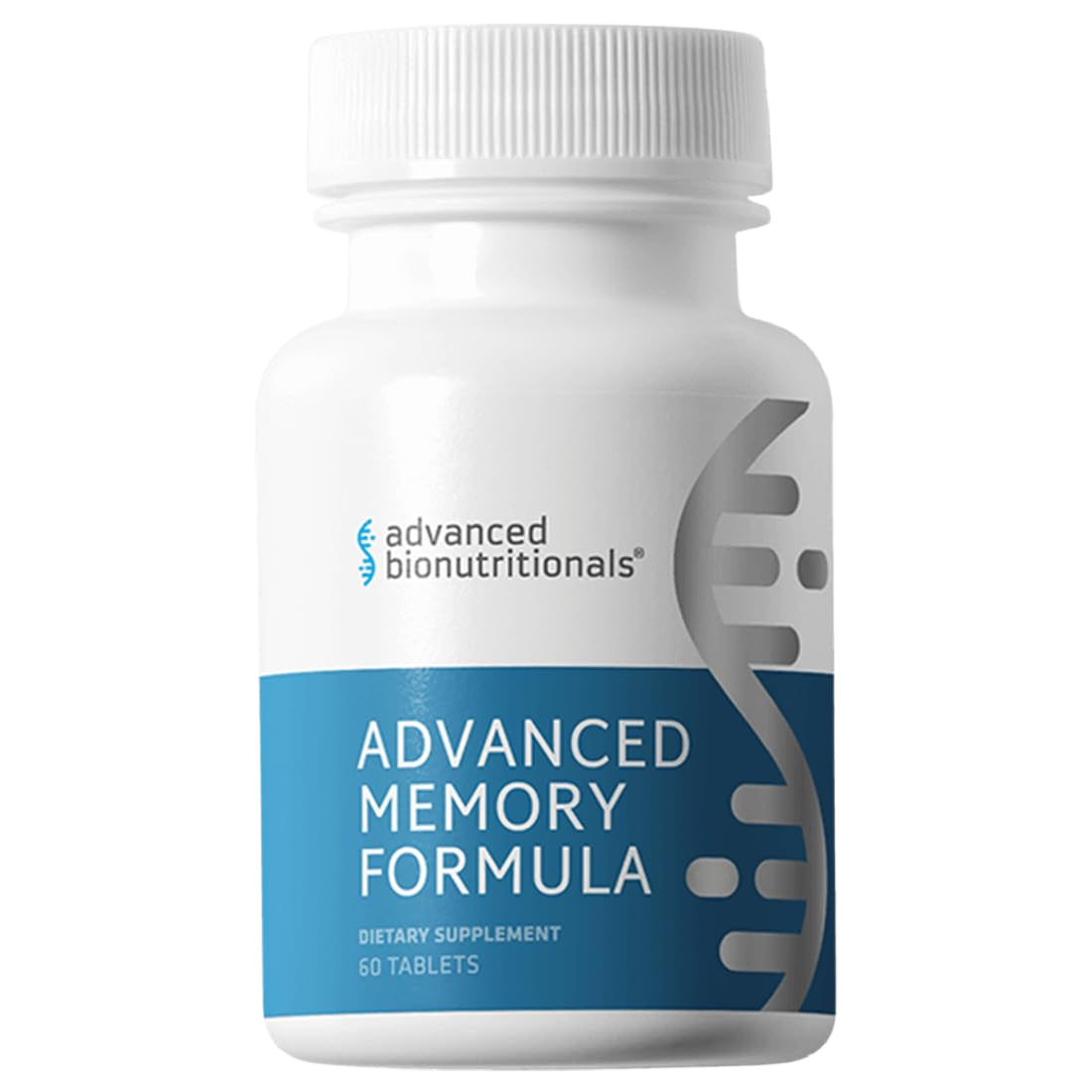
Advanced Memory Formula is introduced here as one convenient option that brings several well-known ingredients into a single routine.
Why People Choose Advanced Memory Formula
Natural ingredients
Positioned as a familiar attribute for wellness-minded shoppers.
Daily use
Easy to understand in a routine-based healthy-aging context.
Easy capsules
Keeps the product framing simple and practical.
90-Day Guarantee
A reassurance element placed after the educational build-up.
Made in USA
Adds a manufacturing trust cue inside the product section.
FAQ
Does it contain stimulants?
Use this answer area to clarify the formula in plain language and stay aligned with the official product information.
How long does one bottle last?
Add the bottle duration based on the official label so the FAQ remains accurate and easy to scan.
Who is it designed for?
Frame this around adults interested in brain-health support without making absolute medical claims.
Where can I order?
Point readers to the official offer page so they can see the latest pricing and package options.
Related Articles
How Nutrition Supports Healthy Aging
A simple editorial slot for internal reading flow and stronger SEO depth.
Simple Daily Habits For Better Focus
Designed as a natural next-click without breaking the magazine tone.
Understanding Memory Changes After 50
Completes the cluster with a topic that fits the same audience intent.
This content is for educational purposes only and does not replace medical advice, diagnosis, or treatment. Some links on this page may be affiliate links, which means we may earn a commission if you buy through them at no extra cost to you.